

 See My Latest Article on HelloNation
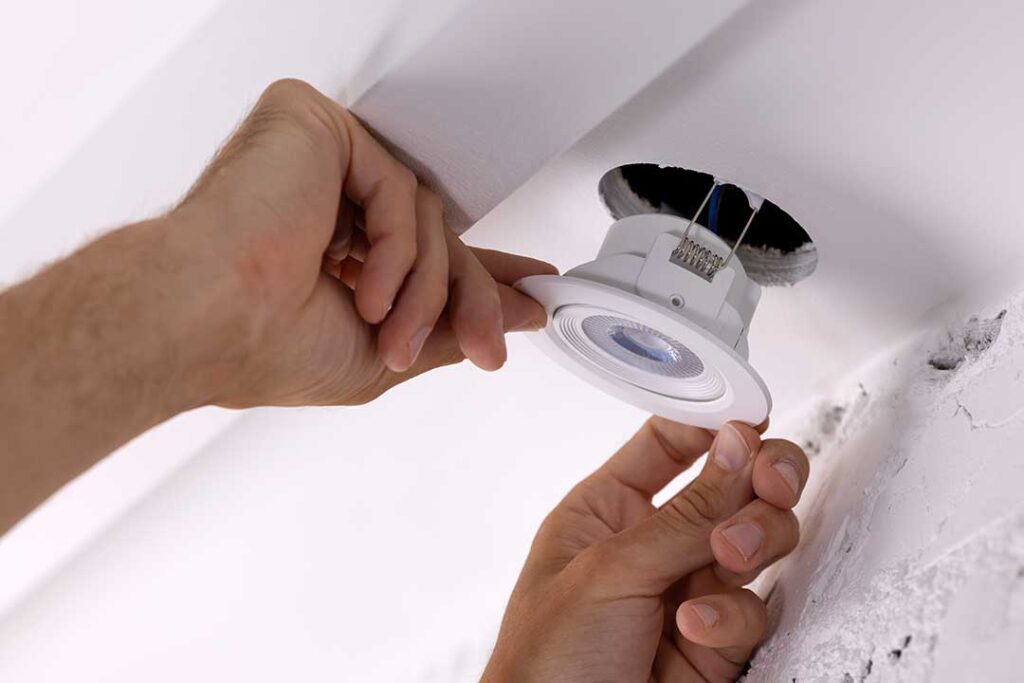
Electrical inspections can identify unsafe wiring, overloaded circuits, missing protections, and other conditions that may not be obvious during normal daily use. Preparing beforehand helps the inspection go smoothly and gives the inspector better access to the systems that need to be evaluated.
In Wake Forest, NC, inspections may be connected to a home sale, remodeling project, permit requirement, insurance question, or concern about an older electrical system. The exact scope depends on why the inspection is being performed, but most homeowners can take several practical steps before the visit.
What does a home electrical inspection usually examine?
A home electrical inspection generally reviews the visible and accessible parts of the electrical system. It is not limited to the main panel.
An inspector may look at:
- The service panel, breakers, labeling, and signs of overheating
- Grounding and bonding connections
- Receptacles, switches, light fixtures, and wiring that can be accessed safely
- Ground-fault circuit interrupter, or GFCI, protection in damp or outdoor areas
- Arc-fault circuit interrupter, or AFCI, protection where required by the applicable code
- Smoke alarms and carbon monoxide alarms, depending on the inspection scope
- Extension-cord use, power strips, and signs of overloaded circuits
- Wiring in garages, crawl spaces, attics, unfinished basements, and utility areas
- Outdoor electrical equipment, disconnects, and weather-resistant covers
- Evidence of do-it-yourself alterations, damaged components, or abandoned wiring
An inspection is usually a condition review, not a guarantee that every portion of the electrical system is defect-free. Concealed wiring inside finished walls may not be visible without opening the structure.
Which areas should homeowners make accessible?
Clear access is one of the simplest ways to prepare. An inspector cannot fully evaluate equipment blocked by stored items, furniture, insulation, or household belongings.
Before the inspection, provide a clear path to:
- The main electrical panel and any subpanels
- The electric meter area, if access is part of the inspection
- Attic and crawl-space entrances
- Water heaters, heating equipment, well equipment, pumps, and other electrically connected systems
- Garage outlets, disconnects, and ceiling-mounted equipment
- Outdoor receptacles, lighting, air-conditioning disconnects, and exterior panels
Do not remove panel covers or move heavy equipment yourself. The goal is to provide reasonable access, not to expose anyone to energized parts or unstable conditions.
If a panel is located in a closet, utility room, or storage area, remove nearby boxes and household items so the door can open fully. Keep pets secured if they could interfere with access to utility areas.
Should you test outlets and switches before the inspection?
Basic testing can help identify issues that should be disclosed, but homeowners should avoid taking apart outlets, switches, light fixtures, or panels.
Walk through the home and note:
- Outlets that do not work
- Switches that control unexpected fixtures
- Lights that flicker, buzz, or dim without an obvious reason
- Receptacles that feel loose in the wall
- Warm, discolored, cracked, or melted outlet covers
- GFCI outlets that will not reset or repeatedly trip
- Breakers that trip often
- Outdoor covers that are broken or missing
- Extension cords used as permanent wiring
A simple plug-in receptacle tester may identify certain wiring conditions, but it cannot evaluate every safety issue. It also cannot confirm that a circuit is adequately protected for its intended load.
Any burning smell, smoke, sparking, heat at an outlet, or repeated breaker tripping deserves attention before the inspection. Turn off the affected equipment if it is safe to do so, and do not continue using a damaged device.
What documents and information should be available?
Helpful records allow the inspector to understand changes that may not be obvious from a visual review. Gather any documents related to:
- Electrical repairs or upgrades
- Panel replacements
- Added circuits for appliances, workshops, pools, hot tubs, or outbuildings
- Generator or backup-power equipment
- Electric vehicle charging equipment
- Solar or battery systems
- Remodeling work involving wiring
- Permits, inspection approvals, or contractor invoices
If records are unavailable, make a short list of known electrical changes and approximately when they were completed. Also identify unusual features, such as a subpanel in a detached structure or a circuit that serves several rooms.

This information does not replace an inspection, but it can help distinguish original construction from later modifications.
What should you do about tripped breakers and GFCI outlets?
Do not reset a breaker repeatedly just to prevent it from being noticed. A breaker that trips may be responding to an overloaded circuit, a damaged appliance, a short circuit, or another electrical problem.
A GFCI outlet that trips may be working as designed. GFCI protection is intended to interrupt power when it detects a potentially dangerous difference in current, especially in locations exposed to moisture. In a home, that protection may be found in kitchens, bathrooms, garages, exterior areas, laundry spaces, and other locations depending on the installation and applicable requirements.
If a breaker or GFCI device will not reset after connected appliances are unplugged, leave it off and document what happened. Do not bypass the protection or replace a breaker with one of a higher rating.
Are older homes treated differently?
Older homes may contain electrical features that were accepted when installed but do not match current practices. An inspection may identify knob-and-tube wiring, ungrounded receptacles, fuse panels, aluminum branch-circuit wiring, limited service capacity, or additions that were completed at different times.
That does not automatically mean the entire system must be replaced. The significance depends on the condition, location, alterations, intended use, and requirements connected to the inspection.
Wake Forest includes a mix of established neighborhoods, newer construction, additions, and renovated homes. A property may therefore contain several generations of electrical work. Look for mismatched outlets, different panel styles, exposed junction boxes, or wiring that appears newer in one section of the house than another.
Avoid assuming that a three-slot receptacle is properly grounded. The number of openings alone does not confirm that the grounding path is present and effective.
How can seasonal conditions affect an inspection?
North Carolina’s humid summers, severe thunderstorms, and occasional winter freezes can expose weaknesses in outdoor electrical equipment and moisture-prone areas.
Before an inspection, check for visible concerns such as:
- Water intrusion around exterior boxes or panels
- Missing or damaged weatherproof covers
- Corrosion on outdoor disconnects
- Damp crawl-space areas near wiring
- Storm damage to service equipment or exterior lighting
- Temporary cords used for pumps, fans, heaters, or outdoor equipment
Do not operate outdoor equipment that shows damage. Keep the inspection area dry and accessible, but do not use water, cleaning products, or tools near energized electrical components.
What should homeowners avoid doing before an inspection?
Preparation should not involve concealing, altering, or quickly correcting a problem without understanding its cause. Avoid:
- Painting over electrical labels or panel markings
- Removing warning labels
- Hiding extension cords behind walls or under carpets
- Installing replacement breakers without verifying compatibility
- Covering damaged outlets with decorative plates
- Opening the service panel
- Making last-minute wiring changes without required permits or inspections
- Resetting a repeatedly tripping device
A clear record of known problems is more useful than a temporary cosmetic fix. If hazardous conditions are visible, keep people away from the area and follow appropriate safety procedures.
What happens after the inspection?
The inspector typically provides observations, deficiencies, or recommendations based on the inspection’s purpose and scope. Not every observation has the same urgency.
Items involving exposed energized parts, overheating, damaged service equipment, missing required protection, or unsafe wiring generally deserve prompt attention. Other findings may involve labeling, accessibility, aging components, or improvements that are not immediate emergencies.
Ask for unclear findings to be explained in plain language. A useful report should identify the location, describe the observed condition, and distinguish between a safety concern, a code-related issue, and a recommended improvement. Keep the report with other home maintenance records so future repairs can be tracked accurately.