

 See My Latest Article on HelloNation

Flickering lights can be caused by something minor, such as a loose bulb, but they can also indicate an overloaded circuit, a failing switch, a loose connection, or a problem affecting several parts of a home’s electrical system. The pattern of the flicker—where it occurs, when it happens, and what else changes at the same time—often provides the first useful clue.
Is a flickering light always a serious electrical problem?
No. A single fixture that flickers occasionally may have a loose bulb, a worn socket, an incompatible dimmer, or a light-emitting diode bulb that does not work well with the control. However, flickering should not be ignored when it is frequent, affects multiple fixtures, or occurs alongside heat, buzzing, discoloration, burning odors, sparks, or repeatedly tripped breakers.
Electrical safety organizations identify dimming and flickering lights as possible warning signs of wiring problems or overloads. ([esfi.org](https://www.esfi.org/electrical-safety-dos/?utm_source=openai))
A useful first distinction is:
- One light flickers: The bulb, socket, fixture, switch, or dimmer may be involved.
- Several lights on one circuit flicker: The circuit may have a loose connection, excessive load, or failing component.
- Lights throughout the home flicker: The issue may involve the main electrical equipment, the service connection, or an outside utility condition.
- Lights flicker when an appliance starts: The appliance may draw a large starting current, or the circuit may not be handling the load properly.
What causes one light to flicker?
The simplest explanation is a poor connection between the bulb and the socket. Turn the light off, allow it to cool, and make sure the bulb is seated correctly. If the bulb is loose, damaged, or visibly discolored, replace it with one that matches the fixture’s required type and wattage.
Other possibilities include:
- A failing LED bulb
- A dimmer switch that is not compatible with the bulb
- A worn socket
- A loose wire connection in the switch box or fixture
- A fixture affected by vibration, moisture, or heat
- A ceiling fan or light fixture with a failing internal component
Do not remove a switch plate, light fixture, or outlet cover merely to investigate unless the circuit has been safely de-energized and the work is within the person’s training. Electrical connections can remain hazardous even when the light itself is off.
Why do lights flicker when large appliances run?
Motors and heating elements can create a noticeable change in electrical demand when they start or cycle on. Air-conditioning equipment, heat pumps, well pumps, refrigerators, washing machines, dryers, and space heaters are common examples of appliances that may coincide with brief changes in light output.
A momentary dip may occur without indicating a dangerous condition, particularly when a motor starts. The concern increases when the lights repeatedly dim, remain unstable, or flicker in several rooms. A circuit may be overloaded, an appliance may be malfunctioning, or a connection may be loose.
Area households may notice this more during hot, humid weather when cooling systems operate for long periods. In homes with additions, converted spaces, workshops, or newer high-demand appliances, the original electrical layout may also be serving more equipment than it once did.
Avoid solving the problem by using extension cords or power strips for major appliances. These devices add reach or outlets but do not increase the circuit’s available capacity. Heat-producing appliances should receive particular caution. ([esfi.org](https://www.esfi.org/dont-overload-your-home?utm_source=openai))
Could weather or utility conditions cause flickering?
Yes. Storms, wind, lightning, tree contact, and equipment problems outside the home can cause momentary voltage disturbances. In Wake Forest, seasonal thunderstorms and strong weather can make brief interruptions more noticeable, especially with sensitive electronics or LED lighting.
If nearby homes appear to experience the same flicker, or if the issue began during a storm, the cause may not be limited to one branch circuit inside the house. Even so, repeated or worsening flickering deserves attention because an outside disturbance and an internal wiring problem can look similar from inside the home.
Unplug sensitive electronics during severe storms when practical, and use properly installed surge protection rather than relying on a basic power strip. Never approach fallen lines or damaged outdoor electrical equipment.
What signs mean the situation is urgent?
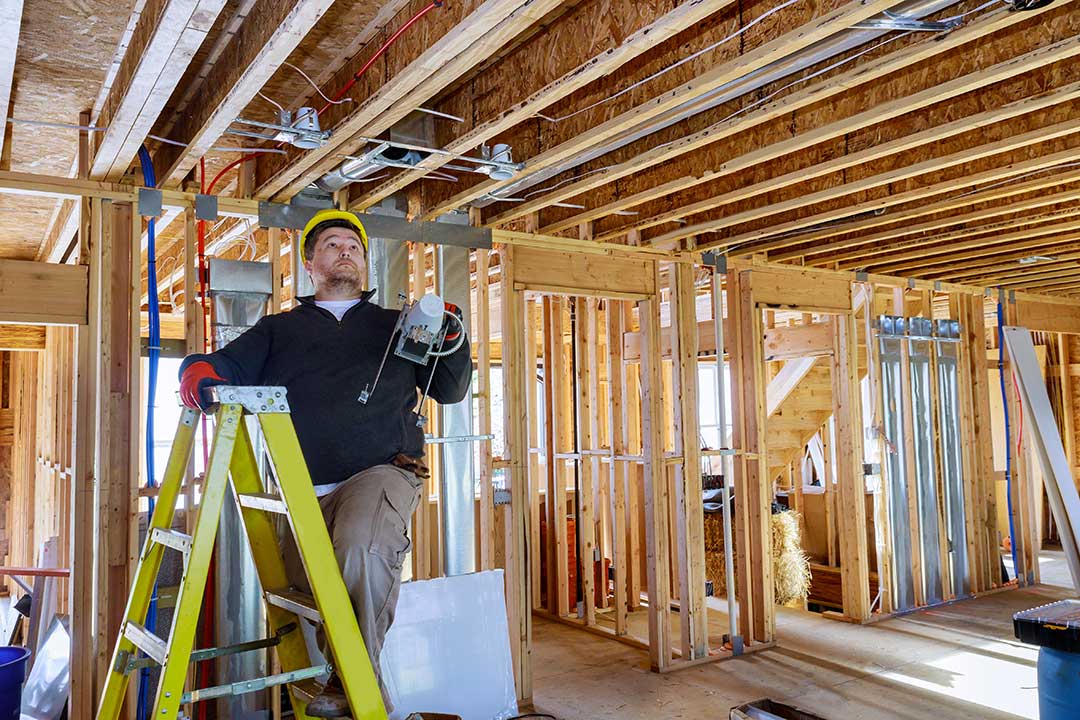
Flickering becomes more concerning when it is accompanied by evidence of heat, arcing, or electrical damage. Warning signs include:
- A burning or hot-insulation smell
- Buzzing, crackling, sizzling, or popping sounds
- Warm, hot, loose, or discolored switches and outlets
- Sparks or visible flashes
- Smoke
- A mild shock or tingling sensation
- Breakers that trip repeatedly
- Lights that dim dramatically when equipment starts
- Flickering that affects multiple rooms
The Consumer Product Safety Commission lists dim or flickering lights, unusual sounds, overheating, odors, sparks, and even mild shocks among potential home wiring hazards. ([cpsc.gov](https://www.cpsc.gov/s3fs-public/518.pdf?utm_source=openai))
If there is smoke, active sparking, a strong burning odor, or a hot electrical component, turn off the affected circuit only if it can be done safely and without approaching damaged equipment. Leave the area if conditions appear unsafe, and use emergency services for fire or immediate hazards. Do not repeatedly reset a breaker that trips again.
What can residents safely check?
A few low-risk observations can help narrow the cause:
1. Note whether the problem affects one fixture, one room, or the whole home.
2. Observe whether the flicker happens when a particular appliance starts.
3. Check that a bulb is fully seated after the fixture is switched off and cool.
4. Confirm that the bulb’s type and wattage match the fixture.
5. Test whether the problem occurs with another known-good bulb.
6. Look for heat, discoloration, buzzing, odor, or loose plugs without opening electrical equipment.
7. Record whether the pattern changes during storms or heavy appliance use.
Avoid replacing a breaker with one of a higher rating, bypassing protective devices, adding improvised wiring, or continuing to use a fixture that smells hot or shows damage.
When does an electrician need to inspect the system?
An electrical inspection is appropriate when flickering persists after a safe bulb check, affects more than one fixture, follows electrical remodeling, or occurs with any other warning sign. Extra caution is reasonable in older homes, homes with aluminum branch-circuit wiring, properties with frequent renovations, and houses where new appliances have been added to an existing system.
The purpose of an inspection is not simply to tighten a bulb. The underlying cause may involve the fixture, switch, branch circuit, panel, service connection, appliance, or utility supply. A qualified electrician can test voltage, inspect connections, evaluate circuit loading, and determine whether protective devices and wiring are suitable for the home.
Flickering is a symptom rather than a diagnosis. A brief, isolated blink may be harmless, but persistent or widespread changes in light output should be treated as useful information about the electrical system—not as a nuisance to overlook.