
 See My Latest Article on HelloNation
How Do Electrical Problems Show Up in Area Homes?
Electrical problems in homes around Wake Forest, NC often reveal themselves through subtle hints before they become hazards. Minor inconveniences like flickering lights or outlets that stop working are common, but these symptoms shouldn’t be ignored. The combination of regional humidity, older housing stock, and seasonal storms can contribute to unique electrical stressors in the city’s homes.
Why Are Flickering Lights a Concern?
Brief periods of flickering may happen occasionally, but repeated or persistent flickering can signal underlying problems.
- Loose wiring, which can become a fire hazard if not fixed, is a common culprit.
- Overloaded circuits might be to blame, especially during hot summers when air conditioners and appliances run at the same time.
- Age is another factor—older homes often have outdated wiring that’s more prone to trouble.
If lights flicker in different rooms at the same time, or dim dramatically when appliances turn on, it’s a signal that the entire system could be under strain.
What Do Buzzing Sounds and Burning Smells Mean?
Humming or buzzing at outlets, switches, or breaker panels is never normal. These noises sometimes result from faulty connections or arc faults, both of which can lead to overheating or fire. Similarly, a persistent burning smell—often described as similar to melting plastic—can indicate overheated wiring inside walls. If you smell burning, especially near outlets or the electrical panel, it’s a sign of immediate risk.
Are Warm Outlets and Switches Normal?
Outlets and switches should remain cool. If one feels unusually warm to the touch, it might be:
- Handling too much current (common with high-wattage appliances)
- Internally worn or damaged
Dimmer switches can run slightly warm, but excessive heat, discoloration, or wall plate deformation always requires attention.
Why Do Circuit Breakers Trip Frequently?
Circuit breakers are designed to protect wiring by cutting power during a fault or overload. If a breaker trips more than once for the same circuit, it could mean:
- Too many devices drawing power at once, especially in kitchens, laundry rooms, or workshops
- A short circuit or ground fault—often signaled by a popping sound or visual spark when you reset the breaker
Frequent tripping is less likely to be a minor issue and more likely to indicate an issue needing evaluation, especially for homes with updated appliance loads on older panels.
Do GFCI and AFCI Outlets Provide Warning Signs?
Ground Fault Circuit Interrupter (GFCI) outlets, typically found in kitchens, bathrooms, laundry areas, or exterior surfaces, should “click” and cut power when tested. If these outlets no longer reset, won’t test properly, or keep tripping with everyday use, wiring behind them may be damaged or moisture may be present.
Arc Fault Circuit Interrupter (AFCI) outlets, sometimes located in bedrooms or living rooms of newer homes, protect against dangerous wiring arcs. Frequent tripping or failure to reset means they’re detecting a fault and need further investigation.
Why Do Some Outlets or Switches Stop Working?
If a single outlet or switch quits working, check nearby outlets and other devices on the same wall. Sometimes, one faulty device can interrupt power for a whole room. Causes include:
- Loosened wiring behind the wall from repeated plugging/unplugging
- Outlets worn from age or excess use, common in high-activity areas
Power loss throughout a room could also be a symptom of a tripped GFCI upstream, not always obvious—these can be located in a different room or even outside.
What Are Signs Electrical Problems Are Hidden Behind Walls?
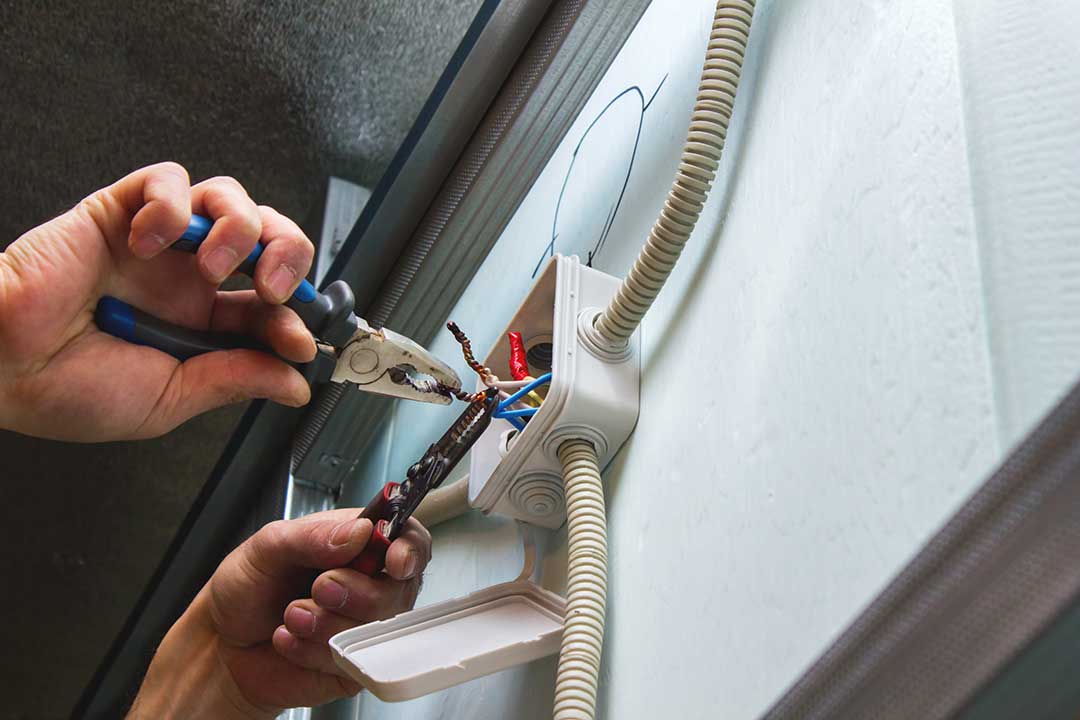
Many homes around the city, especially those built before the 1990s, may still have outdated wiring methods or insulation that breaks down in humidity or heat. Signs of problems hidden from view include:
- Breakers or fuses that are hot to the touch
- Wall discoloration, bubbling paint, or unexplained marks near outlets or switches
- Frequent electrical “snap” or crackle sounds when switching on
Rodents sometimes nest in crawl spaces and attics, and their chewing can expose wires, creating less-visible, high-risk hazards.
Are Power Surges a Warning Sign?
Large power surges after storms or utility work are sometimes unavoidable. However, frequent, unexplained surges—or appliances failing after minor surges—can indicate an issue inside the house, not just from outside conditions. Possible causes:
- Faulty appliances on a shared circuit
- Damaged wiring or overloaded panels
If all surge protectors in a room or electronic devices frequently reset, the root cause may be electrical, not the device itself.
How Can Residents Stay Ahead of Electrical Hazards?
Stay alert to repeated or combined symptoms, as these indicate underlying electrical infrastructure problems. For the safety of area households:
- Avoid overloading outlets with multi-plug adapters or excessive extension cords
- Familiarize yourself with the location of your home’s main panel and individual circuit breakers
- Test GFCI outlets monthly using the “test” button to ensure they still work correctly
For minor issues like a single loose outlet, turning off the breaker and tightening the connections may be sufficient for a handy resident. Loss of power, persistent heat, burning smells, ongoing breaker trips, or any sign of melted parts should be treated as immediate safety concerns—these may require newer equipment, changes to the wiring, or further inspection.