

 See My Latest Article on HelloNation
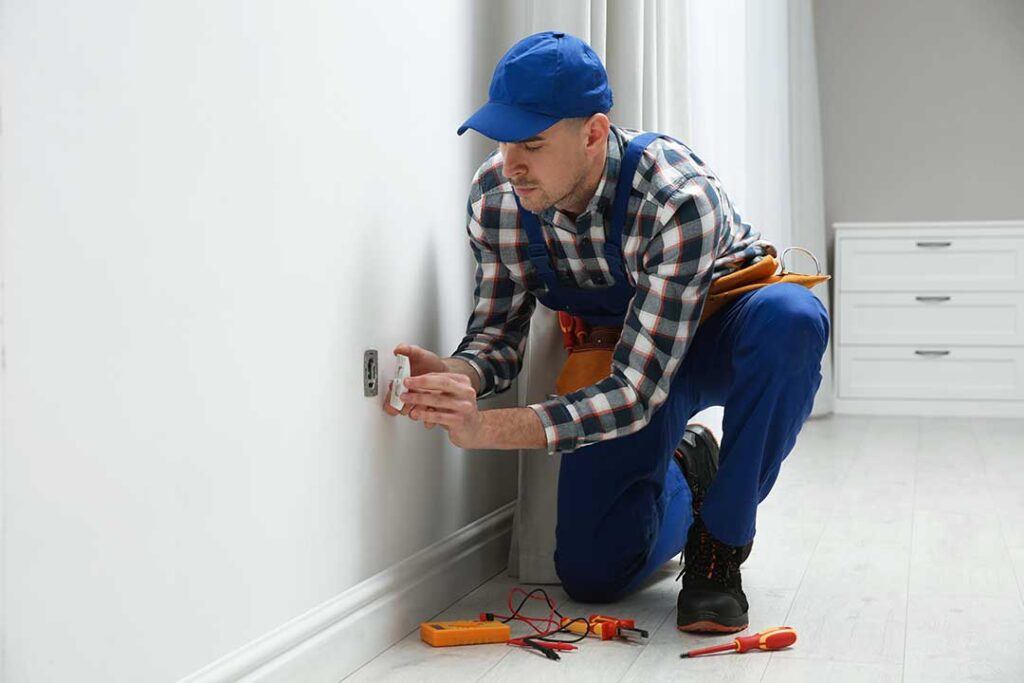
Electrical fires often begin with heat buildup, damaged wiring, loose connections, or equipment used beyond its intended capacity. The warning signs may appear weeks or months before a fire, so recognizing them early is one of the most effective ways to protect a home.
In Wake Forest, seasonal heating, air-conditioning use, older homes, home offices, renovations, and outdoor equipment can all place extra demands on residential electrical systems. A safer home starts with understanding where those risks commonly develop.
What are the most common causes of electrical fires?
The leading causes include overloaded circuits, faulty wiring, damaged cords, overheated appliances, loose electrical connections, and improper use of extension cords or power strips.
Electrical fires do not always begin with a dramatic spark. A poor connection may gradually create resistance and heat inside a receptacle, switch, junction box, or circuit breaker panel. That heat can eventually damage insulation or ignite nearby materials.
Common risk factors include:
- Too many high-wattage devices on one circuit
- Frayed, cracked, pinched, or warm electrical cords
- Loose plugs or outlets that no longer grip firmly
- Flickering lights or frequently tripped breakers
- Recessed lights or fixtures covered by insulation when not rated for that use
- Space heaters, dryers, or other heat-producing appliances placed near combustible materials
- Unapproved or poorly completed electrical work
How does an overloaded circuit start a fire?
An overloaded circuit carries more current than the wiring or protective device was designed to handle. The wiring can become hot, especially inside walls or at connection points. A circuit breaker should interrupt the flow before dangerous overheating occurs, but repeated overloading can still damage components and create unsafe conditions.
Power strips and extension cords do not increase the amount of electricity a circuit can safely supply. Connecting several power strips together, sometimes called daisy-chaining, increases the chance of overheating.
Use these habits instead:
- Plug major appliances directly into wall outlets.
- Avoid operating several high-wattage appliances on the same circuit.
- Do not use extension cords as permanent household wiring.
- Replace power strips that are hot, cracked, discolored, or damaged.
- Stop using a circuit that trips repeatedly until the cause is identified.
A breaker that trips once may have responded to a temporary overload. A breaker that trips repeatedly may indicate a deeper problem, such as a short circuit, damaged wiring, a failing appliance, or insufficient circuit capacity.
Why are loose outlets and electrical connections dangerous?
Loose connections create electrical resistance. Resistance produces heat, and that heat can build up behind an outlet, switch, light fixture, or panel connection without being visible.
Watch for outlets or switches that:
- Feel warm or hot
- Buzz, crackle, or hiss
- Smell like burning plastic
- Show brown, black, or melted areas
- Spark during normal plug-in or unplugging
- Hold plugs loosely
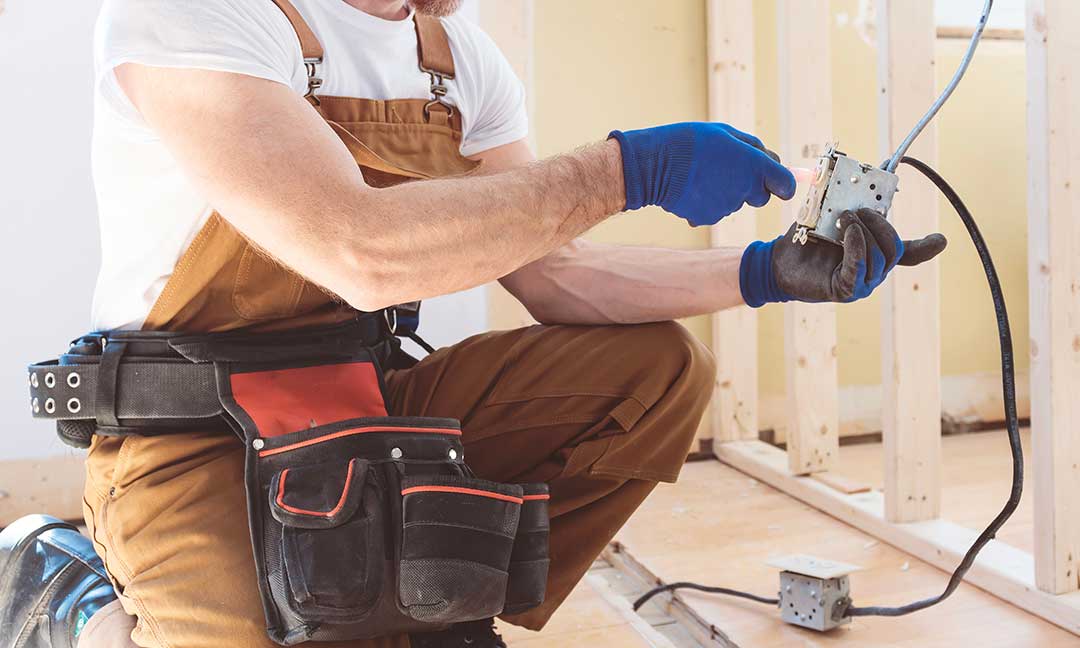
Do not continue using a damaged outlet or try to solve the problem by covering it with a decorative plate. Turn off the circuit if it can be done safely, keep combustible items away, and have hazardous electrical work evaluated by a qualified, licensed electrician. Removing a cover plate or tightening wiring without knowing whether the circuit is energized can create shock and arc-flash hazards.
Can damaged cords and extension cords cause fires?
Yes. A cord with broken insulation, exposed wire, crushed sections, loose connections, or damaged plugs can short out or overheat. Cords routed under rugs, through doorways, or beneath furniture may be damaged gradually by foot traffic and pressure.
Extension cords should be used temporarily and matched to the equipment’s electrical load. Do not use one to power a major appliance, portable heater, clothes dryer, or other high-demand device unless the equipment instructions specifically allow it and the cord is properly rated.
Never:
- Staple or nail cords to walls
- Run cords under rugs or carpeting
- Use outdoor cords indoors if they are damaged or improperly rated
- Join multiple extension cords to reach farther
- Repair a damaged cord with tape alone
- Use a cord that becomes hot during operation
Outdoor electrical use deserves extra attention in a humid, storm-prone climate. Outdoor-rated cords, weather-resistant covers, and ground-fault circuit-interrupter protection are essential where electricity may be exposed to rain, irrigation, damp ground, or wet hands.
Which appliances create the greatest fire risk?
Appliances that produce heat or operate for long periods deserve regular attention. Clothes dryers, ovens, electric ranges, portable heaters, air conditioners, refrigerators, washers, and power tools can all contribute to electrical fires if damaged, overloaded, poorly maintained, or used incorrectly.
For safer operation:
- Keep lamps, heaters, and light fixtures away from curtains, bedding, paper, and furniture.
- Follow the manufacturer’s wattage limits for light fixtures.
- Clean dryer lint screens after every load and keep the vent path clear.
- Plug large appliances directly into appropriate wall outlets.
- Do not operate appliances with damaged cords.
- Leave adequate space around appliances that need airflow.
- Unplug small countertop appliances when they are not needed.
A portable heater should sit on a stable, noncombustible surface and remain well away from anything that can burn. It should be plugged directly into a wall outlet rather than a power strip or extension cord.
How can older homes increase electrical fire risk?
Older houses may contain worn receptacles, deteriorated insulation, outdated panels, undersized circuits, or wiring methods that require careful evaluation. Previous renovations can also leave behind abandoned wiring, crowded junction boxes, or connections that were not completed correctly.
Age alone does not prove that a home is unsafe. However, warning signs deserve attention, including frequent breaker trips, two-prong outlets where grounding is expected, unexplained flickering, buzzing from the panel, and a noticeable burning odor.
Homeowners should be especially cautious after adding a finished room, workshop, electric vehicle charger, large appliance, or extensive home-office equipment. New electrical demand may exceed the capacity of an older system.
What should residents do if an electrical fire starts?
If smoke, flames, or active arcing is present, leave immediately and call 911 from a safe location. Do not use water on an energized electrical fire. Water can conduct electricity and increase the risk of shock.
If the fire is very small and there is a clear exit behind the person using it, an appropriately rated multipurpose or electrical-rated extinguisher may be used. Never delay evacuation to fight a growing fire, and never re-enter a smoke-filled home.
After any electrical fire, the affected circuit and surrounding wiring should remain out of service until inspected. Heat and smoke can damage components beyond the area that visibly burned.
Which preventive checks should be done regularly?
A simple household inspection can identify many problems before they become emergencies:
- Test smoke alarms monthly and replace batteries as needed.
- Keep electrical panels, outlets, and appliance areas unobstructed.
- Look for warm outlets, scorch marks, flickering, and unusual odors.
- Check cords on frequently used appliances.
- Confirm that outdoor receptacles have appropriate weather protection.
- Keep combustible storage away from panels, heaters, and lighting equipment.
- Review circuits after major remodeling or adding high-demand equipment.
In the community, seasonal changes can shift electrical demand. Winter heating increases use of portable heaters and electric blankets, while summer air-conditioning and outdoor equipment can keep circuits under sustained load. A quick inspection before each season can reveal problems that are easier and safer to address before an emergency occurs.