

 See My Latest Article on HelloNation
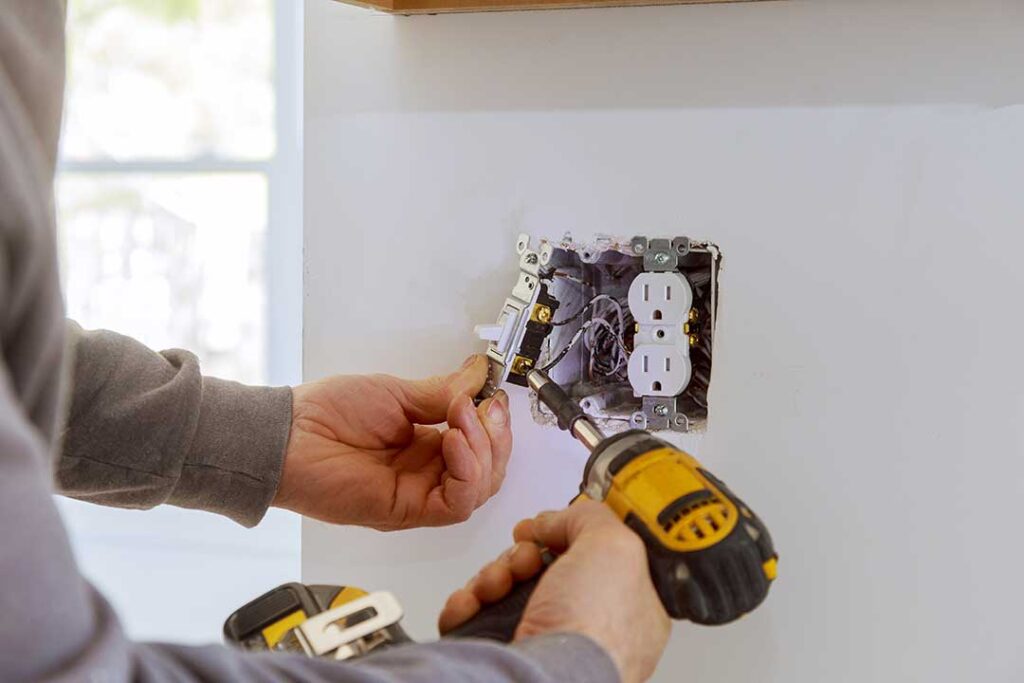
A storm-related power outage can create several hazards at once: downed electrical lines, flooding, damaged service equipment, food spoilage, extreme indoor temperatures, and carbon monoxide poisoning. The safest response is to first protect people from immediate danger, then determine whether the outage affects only the home or the wider community.
What should you do first when the power goes out?
Stay indoors while lightning, high winds, or falling trees remain a threat. Use flashlights instead of candles when possible, and keep children and pets away from windows, wet areas, electrical equipment, and exterior doors.
Check whether the outage is limited to the home:
- Look outside for neighborhood lighting, traffic signals, and nearby homes with electricity.
- Check the main electrical panel only if the area is dry and there is no smell of burning, smoke, sparking, or visible damage.
- If only part of the home has lost power, unplug sensitive electronics and avoid repeatedly resetting breakers.
- If the entire area is dark, report the outage to the appropriate electric utility and monitor official outage information.
Do not go outside to inspect a damaged pole, transformer, or wire during the storm. A line that appears inactive may still be energized.
How can you tell whether a downed wire is dangerous?
Treat every fallen or sagging electrical wire as live. Stay at least several car lengths away, keep other people away, and report it to emergency services or the utility responsible for the line.
Never touch a wire with your hand, a tool, a broom, or another object. Do not drive over it. If a wire has fallen on a vehicle, remain inside unless fire or another immediate danger makes leaving necessary. Anyone who exits should avoid touching the vehicle and the ground at the same time.
Water increases the risk. Do not enter a flooded basement, crawl space, garage, or yard if electrical equipment or extension cords may be submerged. Electricity can travel through standing water, and wet electrical components may remain hazardous after the water recedes.
Should you turn off the main breaker?
Turning off the main breaker may be appropriate if water is entering the home, electrical equipment is damaged, or there is smoke, buzzing, burning odor, or visible arcing. Do not touch the panel if the floor, panel, or your hands are wet.
If the outage is caused by a neighborhood storm and the home shows no signs of electrical damage, leaving the main breaker on can make restoration easier. However, unplug major appliances and sensitive electronics to reduce the risk of damage from surges when power returns.
Do not attempt to repair a damaged meter, service mast, weatherhead, panel, or exterior wiring. These components may be connected directly to the utility system, even when the house appears to have no power.
Is it safe to use a portable generator?
A portable generator must be operated outdoors in a dry, well-ventilated location, far from doors, windows, garages, crawl spaces, and exterior vents. Never run one inside a home, garage, shed, carport, or enclosed porch. Carbon monoxide is colorless and odorless, and dangerous levels can build up quickly.
Keep the generator protected from rain without enclosing it in a way that traps exhaust. Follow the manufacturer’s instructions for fuel, grounding, extension cords, and operating distance. Refuel only after the engine has cooled.
Never connect a portable generator directly to a household outlet. This can send electricity backward through the home’s wiring and into utility lines, creating a serious danger for line crews and neighbors. A generator intended to supply selected household circuits requires a properly installed transfer switch and equipment that complies with applicable electrical requirements.
Outdoor grills, camp stoves, patio heaters, and charcoal devices are also unsafe for indoor heating or cooking during an outage.
What should you do with food during a lengthy outage?
Keep refrigerator and freezer doors closed as much as possible. A refrigerator can retain safe temperatures for a limited period, while a full freezer generally stays cold longer than a partially filled one. Use a refrigerator thermometer if available rather than relying on whether food feels cool.

Discard perishable food that has been above safe refrigeration temperatures for too long, especially meat, seafood, eggs, dairy products, cut fruit, and prepared dishes. Do not taste food to decide whether it is safe. When in doubt, throw it out.
If floodwater has touched food packaging, counters, utensils, or appliances, treat them as contaminated until properly cleaned and disinfected. Never use a gas or electric appliance that has been underwater until it has been evaluated and made safe.
How can you protect the home while waiting for restoration?
Turn off or unplug heating and cooling equipment, water heaters, televisions, computers, and other large loads. Leave one interior light on so it is clear when power returns, and use surge protection for sensitive electronics when practical.
If the home has a garage door opener, learn how to release the door manually before an outage occurs. Keep refrigerator and freezer doors closed, conserve phone battery power, and use text messages when possible.
During hot weather, check on older adults, infants, people with medical conditions, and pets. During cold weather, prevent pipes from freezing by addressing exposed plumbing and maintaining safe indoor warmth. Never use an oven, stovetop, grill, or fuel-burning appliance as an improvised heater.
Households that depend on electrically powered medical equipment should have a backup plan before severe weather arrives. That may include a charged battery system, an appropriate alternate location, or instructions from a medical provider.
When should you leave the house?
Leave if the structure is flooding, a fire is present, there is a strong gas odor, the roof or walls are unstable, or officials direct residents to evacuate. Avoid driving through flooded roads, even if the water appears shallow.
If the home is safe but conditions become uncomfortable, plan transportation before roads deteriorate. Keep essential medications, identification, chargers, water, and important documents together.
Wake Forest can experience strong thunderstorms, tropical-weather remnants, heavy rain, and occasional winter weather that disrupts electricity in different ways. Storm debris, saturated ground, and fallen branches may continue creating hazards after skies clear, so outdoor cleanup should wait until lines and electrical equipment have been confirmed safe.
What should you check after power returns?
Do not turn everything on at once. First look and listen for unusual conditions such as flickering, buzzing, smoke, burning odors, damaged outlets, or repeated breaker trips. If any of these occur, shut off power only if it can be done safely and keep away from the affected area.
Reset clocks and appliances gradually. Check that heating and cooling systems, sump pumps, refrigerators, security systems, and smoke and carbon monoxide alarms are operating normally.
If an outlet, panel, appliance, or wiring was exposed to water, do not assume it is safe because it has dried. Moisture can damage insulation and create delayed shock or fire hazards. Damaged electrical equipment should be inspected before being energized again.
A calm, methodical response protects people and reduces additional damage. The most serious mistakes during storm outages usually involve touching downed lines, entering flooded areas, or using generators and outdoor heating equipment indoors.