

 See My Latest Article on HelloNation
LED bulbs use less electricity and generally last much longer than older incandescent bulbs, but the right choice depends on more than brightness. Before buying, match the bulb to the fixture, room, color temperature, dimmer, and environmental conditions.
For households in Wake Forest, NC, thoughtful bulb selection can improve comfort, reduce unnecessary energy use, and prevent common problems such as flickering, glare, premature failure, or poor outdoor performance.
What should you check before buying an LED bulb?
Start with the fixture label and the old bulb. Check the base size, bulb shape, maximum wattage, voltage, and whether the fixture is rated for enclosed or damp locations.
The most common household base is the medium screw base, but some fixtures use smaller candelabra bases, pins, or specialty connections. A bulb that looks close in size may still fail to fit securely.
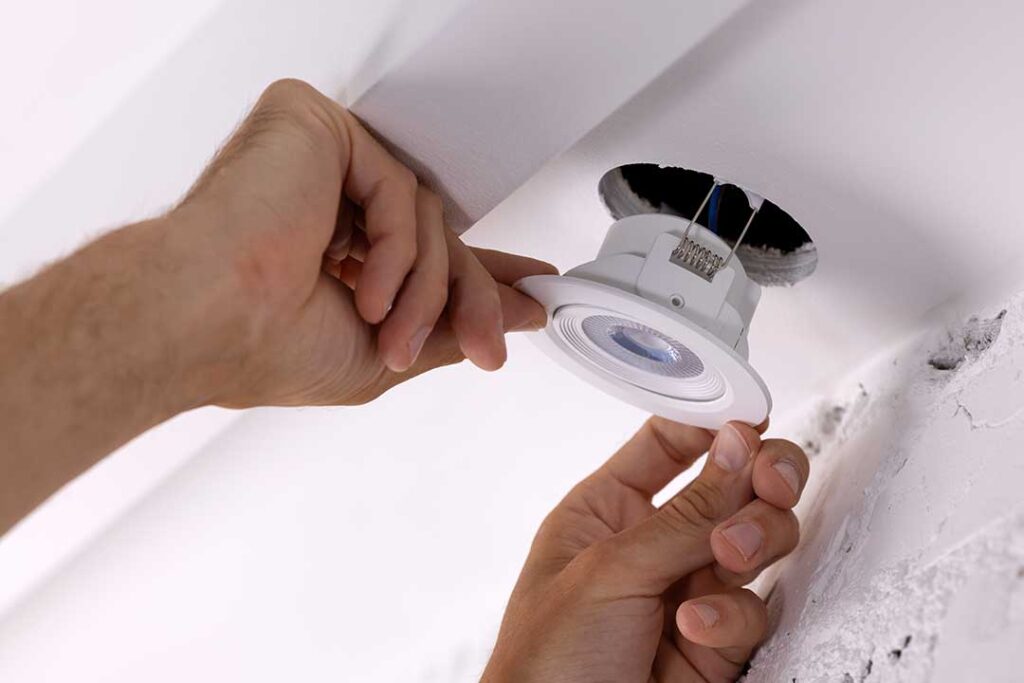
Also check the fixture’s physical space. An LED bulb may use less energy than an incandescent bulb but still be longer, wider, or shaped differently. This matters in recessed cans, enclosed globes, ceiling fans, bathroom fixtures, and decorative sconces.
Before purchasing, identify:
- Base type and size
- Bulb shape and overall dimensions
- Fixture wattage limit
- Whether the fixture is enclosed
- Whether the location is dry, damp, or exposed to weather
- Whether a dimmer switch controls the bulb
Never use a bulb with a higher wattage rating than the fixture allows. Although LED bulbs consume fewer watts, the fixture rating and manufacturer instructions still need to be followed.
How many lumens should an LED bulb have?
Lumens measure light output. Watts measure electricity use, so wattage is no longer a reliable way to compare brightness between bulb types.
Approximate LED brightness ranges include:
- 450 lumens for a small accent or bedside light
- 800 lumens for a typical general-purpose bulb
- 1,100 to 1,600 lumens for brighter kitchens, work areas, or larger rooms
- Higher outputs for garages, workshops, utility areas, and some outdoor applications
Room size, ceiling height, wall color, fixture shade, and the number of bulbs all affect how bright a space feels. A dark shade can absorb or block light, while a clear fixture may create glare even with a moderate-lumen bulb.
For a living room or bedroom, moderate brightness is often more comfortable than the highest available output. Kitchens, laundry areas, stairs, and work surfaces usually benefit from brighter, more evenly distributed light.
A bulb labeled “equivalent to 60 watts” generally produces about the brightness associated with an older 60-watt incandescent bulb, but the lumen rating provides the more useful comparison.
What color temperature is best for each room?
Color temperature describes whether light appears warm, neutral, or cool. It is measured in Kelvin, abbreviated as K. Lower numbers look warmer and more yellow; higher numbers appear whiter or bluer.
Common choices include:
- 2,700K: warm and relaxing, often suitable for bedrooms, living rooms, and dining areas
- 3,000K: warm white with slightly clearer detail, useful for bathrooms, hallways, and general-purpose lighting
- 3,500K to 4,000K: neutral white for kitchens, offices, utility rooms, and task lighting
- 5,000K: cool daylight appearance, often used in garages, workshops, or areas where visual detail is a priority
Color temperature is a matter of comfort as well as appearance. Using very cool bulbs throughout a home can make living spaces feel harsh, while using very warm bulbs over food-preparation surfaces may make it harder to distinguish colors.
Matching bulbs within the same visible area usually creates a more consistent appearance. Mixing noticeably different color temperatures in one room can make the lighting seem uneven.
Are dimmable LED bulbs compatible with every dimmer?
No. A dimmable LED bulb may still flicker, buzz, fail to turn on, or produce a narrow dimming range if the dimmer is not compatible.
Older dimmers were often designed for incandescent bulbs, which draw more electrical current than LEDs. Some LED bulbs work acceptably with older controls, but others require a dimmer specifically rated for LED loads.
Problems are more likely when:
- Several bulbs are connected to one dimmer
- The total electrical load is very low
- Bulbs from different designs are mixed on the same circuit
- The dimmer is worn or incompatible
- The fixture contains a built-in LED driver rather than a replaceable bulb
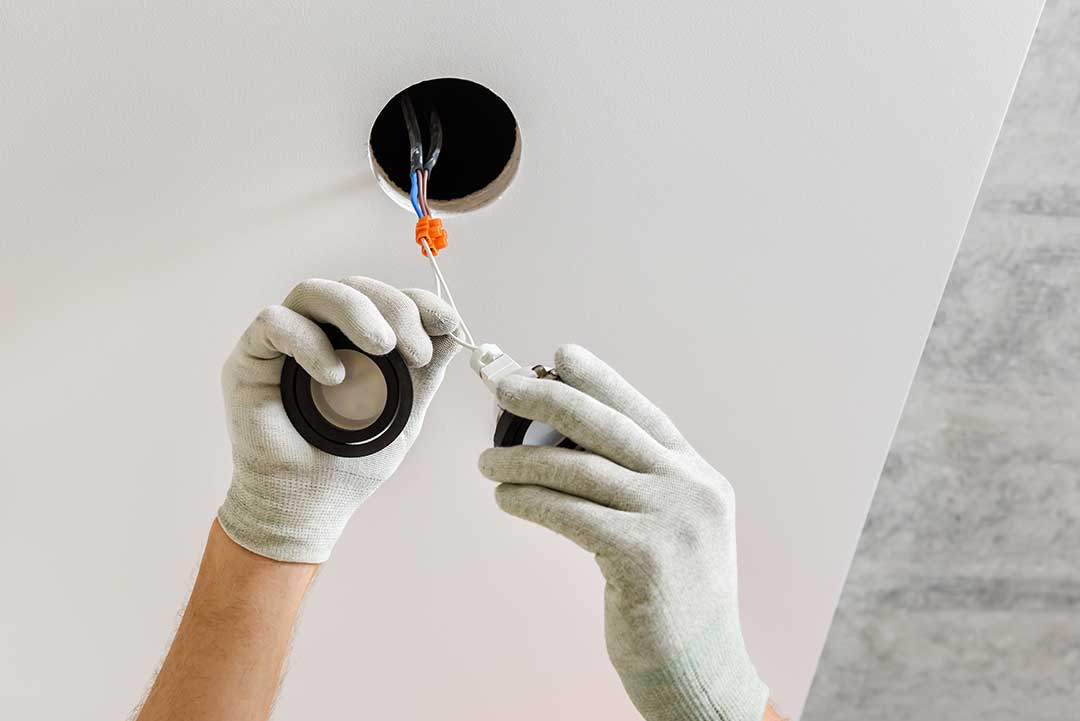
If a dimmed light flickers or buzzes, replacing the bulb alone may not solve the problem. The bulb and control should be treated as a matched system, following compatibility information supplied with both products.
What does “enclosed fixture rated” mean?
Some LED bulbs are designed for open-air fixtures only. Enclosed fixtures trap heat around the bulb, and excessive heat can shorten the life of the electronics inside an LED.
Look for wording such as “suitable for enclosed fixtures” when using a bulb inside a sealed globe, covered ceiling fixture, or enclosed outdoor lantern. A bulb that is not rated for that environment may fail much sooner than expected.
Heat can also build up in recessed housings, especially when insulation, dust, or limited ventilation surrounds the fixture. The fixture label and bulb instructions should both be checked before installation.
Which LED bulbs are suitable for outdoor use?
Outdoor bulbs must be selected based on the fixture and exposure level. A fixture under a roof may be considered damp-location use, while a fixture exposed directly to rain requires a bulb approved for wet locations if the design permits it.
In Wake Forest, seasonal heat, humidity, storms, and temperature changes can affect outdoor lighting. Moisture can enter poorly sealed fixtures, and heat trapped inside a dark or enclosed housing can stress the bulb’s electronics.
For exterior lighting, check for:
- Damp- or wet-location approval
- Compatibility with enclosed fixtures
- Suitable operating temperature range
- A secure, weather-protective fixture
- Adequate brightness without excessive glare
A bulb marked for outdoor use does not make an indoor-rated fixture weatherproof. The fixture itself must provide the necessary protection.
What is CRI, and does it matter?
Color Rendering Index, or CRI, indicates how accurately a light source displays colors compared with a reference light. Higher CRI generally makes colors appear more natural.
A CRI of 80 or above is common for general household lighting. Higher-CRI bulbs can be useful in kitchens, bathrooms, closets, craft areas, and rooms where paint, clothing, food, or artwork needs to look accurate.
CRI does not describe brightness or color temperature. Two bulbs can have the same lumen output and the same Kelvin rating but render colors differently.
Should you choose smart bulbs or standard LEDs?
Standard LED bulbs are usually the simpler option for basic on-and-off lighting. Smart bulbs add features such as app control, schedules, dimming, or adjustable color, but they require compatible controls and may not work correctly with ordinary wall dimmers.
A smart bulb generally needs continuous power to remain connected. Turning it off at a wall switch can make remote controls and schedules unavailable. Smart bulbs also may not be appropriate for every enclosed fixture or outdoor location.
For a frequently used light controlled by a regular switch, a standard LED is often more straightforward. Smart bulbs make more sense where remote operation, automation, or adjustable lighting is genuinely useful.
Why do some LED bulbs fail early?
Premature failure is commonly linked to heat, incompatible dimmers, moisture, voltage problems, loose connections, or poor-quality components. Frequent switching is usually less damaging to modern LEDs than excessive heat or unsuitable installation conditions.
If several bulbs in the same fixture fail repeatedly, the issue may involve the fixture, wiring, ventilation, or control rather than the bulbs themselves. Burning smells, scorch marks, buzzing from the electrical box, warm switches, or repeated breaker trips indicate a condition that should not be ignored.
Choosing the correct base, lumens, color temperature, fixture rating, and control compatibility prevents most everyday LED lighting problems before installation.