
 See My Latest Article on HelloNation
Can Residents in Wake Forest, NC Legally Perform Their Own Electrical Work?
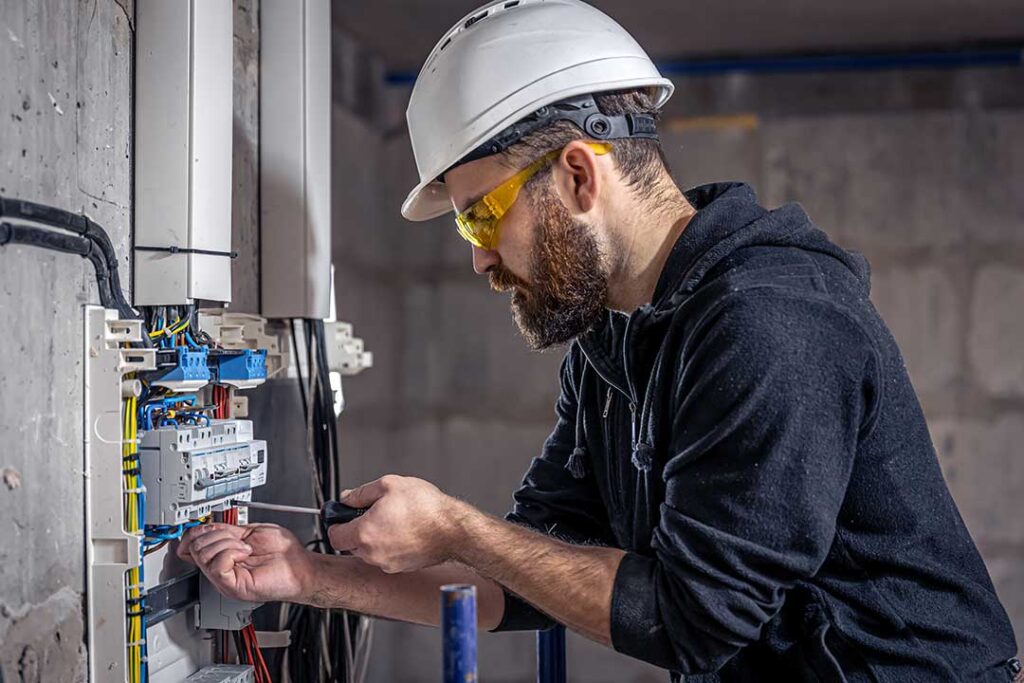
Most homeowners in Wake Forest, NC are permitted to complete minor electrical tasks in their own homes, provided the property is owner-occupied and not a rental or for sale. North Carolina’s state code, which Wake County follows, generally allows owner-occupants to perform specific electrical repairs, but some work requires a permit or licensed electrician. Rental properties, homes for sale, or duplexes require licensed professionals for all but the simplest tasks.
Always verify your homeowner status and confirm that your project is on your primary residence before starting any electrical work.
What Electrical Repairs Are Usually Safe for Homeowners?
Homeowners can often handle basic jobs that don’t involve new wiring or modifying a home’s electrical system. Safe DIY projects typically include:
- Replacing light bulbs or broken faceplates
- Resetting circuit breakers
- Installing new light fixtures or switches (if the existing wiring is not altered)
- Swapping out old outlets for new models of the same type (not GFCI outlets, unless you fully understand safe wiring practice)
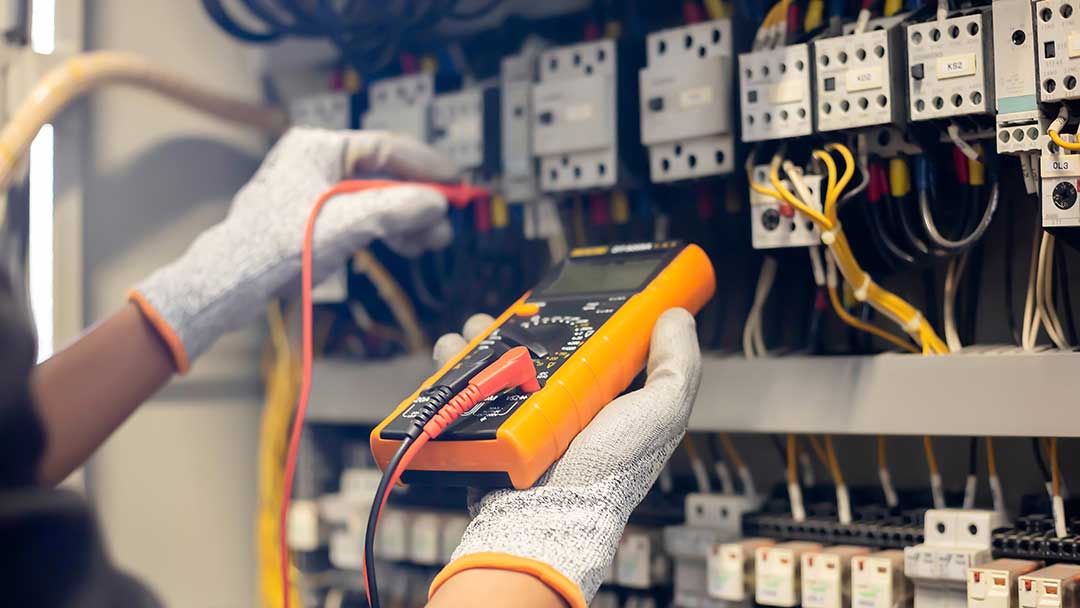
Even with these tasks, homeowners should turn off power at the breaker panel and use a non-contact voltage tester to ensure circuits are de-energized.
Which Electrical Repairs Should Be Avoided?
Tasks that are more complex, potentially dangerous, or must meet strict code requirements should not be done without expertise or a permit. These include:
- Adding or extending wiring (for outlets, lights, or appliances)
- Installing new circuits, subpanels, or service panels
- Upgrading to GFCI or AFCI outlets in kitchens and bathrooms
- Repairing or replacing major appliances’ wiring
- Working inside service panels or main breakers
Such jobs carry serious fire and shock hazards if done incorrectly, and may impact insurance or code compliance.
Are Permits Required for Homeowner Electrical Work in Wake Forest?
Permits are required for any electrical modification beyond simple device replacement. In Wake County, a permit is necessary for:
- Adding new outlets, lighting, or circuits
- Wiring for additions, remodels, or accessory structures
- Major appliance wiring modifications
Permits ensure that electrical work meets code and safety standards. Skip the permit, and a homeowner may face future problems passing inspections, selling the house, or filing insurance claims. Homeowners doing their own work should request inspections as required—not just for code compliance, but to keep their household safe.
What Risks Are Involved with DIY Electrical Repairs?
Electrical accidents cause thousands of injuries and fires each year. Even seemingly minor mistakes can have severe consequences:
- A loose wire or poor connection can spark and overheat, leading to fire inside walls—sometimes months later.
- Wiring devices backward or to the wrong terminal can result in shock hazards or equipment damage.
- Failing to bond or ground properly creates invisible but deadly risks, including electrocution.
- Covering up non-compliant work may complicate insurance claims or cause issues during home sales.
Not all damage or error is immediate; hidden problems may only appear after repeated use or with seasonal humidity changes, both common in Wake Forest’s humid summers and chilly winters.
What About Home Electrical Repairs After Storm Damage?
Severe weather, including thunderstorms and hurricanes, occasionally knock out power or damage home electrical systems in this region. After such an event:
- Resetting a tripped breaker or replacing a blown fuse is typically safe.
- Any signs of water intrusion in outlets, switches, or breaker panels call for full replacement and inspection.
- Never attempt repairs to lines outside the home or to the main service mast, meter, or connections to the utility pole—these require utility or licensed electricians.
Restoring power safely after storms means inspecting for less obvious hazards like moisture inside wall boxes or corroded terminations, which can worsen over time if not addressed.
Common Misconceptions About DIY Electrical Work
Some area homeowners assume that replacing outlets or switches is always a simple task, but not all older houses use standard color codes, and aluminum wiring (found in some homes built in the late 1960s and ‘70s) needs special connectors. Other misconceptions include believing that “off” at the switch means the circuit is safe (the breaker must be off), or that devices can be replaced without checking for grounded connections.
Local wiring must also comply with the latest edition of the National Electrical Code as adopted by North Carolina, which can change every few years and may address issues specific to common building styles or environmental factors in the city.
What Should Wake Forest Residents Always Prioritize for Safety?
Before attempting any repair:
- Turn off the power at the breaker panel, not just at the switch.
- Use the right tools, including insulated screwdrivers and a voltage tester.
- Read instructions carefully for any hardware, especially smart switches or devices that may require neutral wires.
- Keep work areas dry, especially during humid or wet periods.
- Use only approved materials rated for your wiring type and local codes.
When in doubt, it’s safer to check the latest regulations, seek guidance from official resources, or have work inspected, prioritizing long-term safety over short-term convenience.