

 See My Latest Article on HelloNation
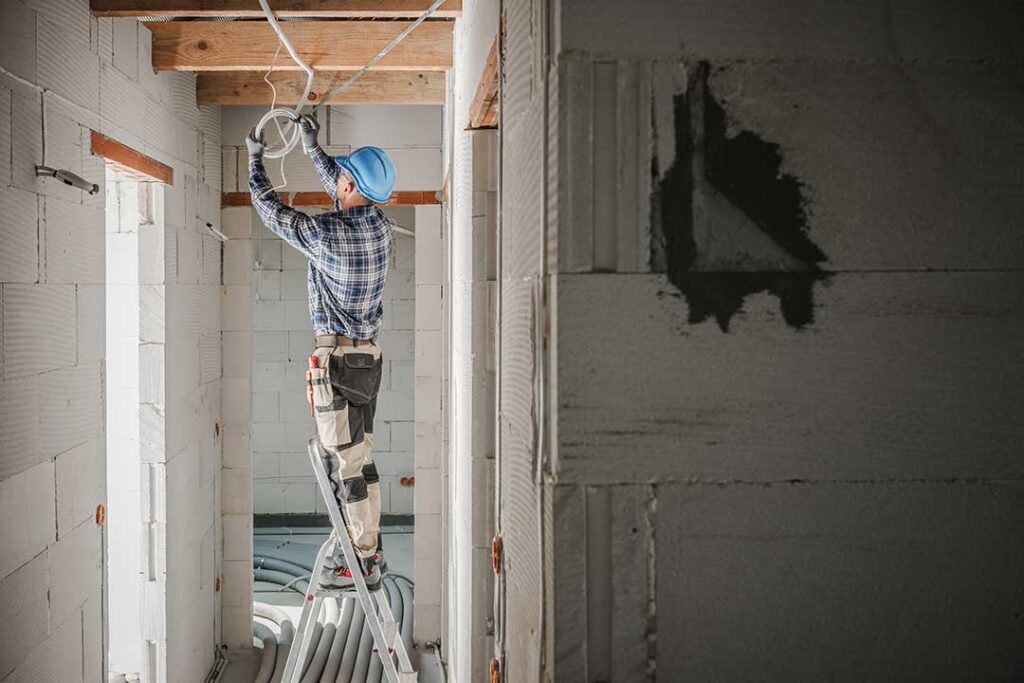
Homes in Wake Forest, NC often have a mix of newer construction, older houses, finished rooms, garages, and outdoor living areas. Each setting can create different electrical safety concerns for children. Childproofing outlets is more than inserting plastic covers: it also means checking outlet condition, managing cords, and preventing access to electrical equipment.
Which electrical outlets need childproofing first?
The outlets most likely to need attention are those within a child’s reach, especially outlets near floors, beds, play areas, kitchens, and frequently used furniture. A crawling infant or toddler may be able to reach an outlet that seemed inaccessible to an adult.
Start with:
- Unused outlets in living rooms, bedrooms, hallways, and play areas
- Outlets behind couches, beds, and tables where children can reach through gaps
- Power strips and extension cords placed on the floor
- Outlets near cribs, changing tables, and low shelving
- Garage, porch, patio, and basement outlets that may be accessible during supervised play
- Outlets near portable heaters, fans, lamps, or seasonal decorations
Furniture should not be treated as a permanent safety barrier. Children can climb, crawl behind, or reach around it.
Are plastic outlet covers safe to use?
Plastic outlet covers can help prevent children from inserting objects into unused receptacles, but they should be used correctly. The cover must fit securely and be difficult for a child to remove. Loose covers can become choking hazards, and poorly fitting covers may fall out.
Use covers designed for standard electrical receptacles and inspect them periodically. Replace any cover that is cracked, loose, discolored, or easy to pull out. Keep spare covers away from children, since small pieces can present a choking risk.
A common mistake is using a cover on an outlet that is actively powering an appliance. Removing and replacing covers repeatedly can be inconvenient, and a child may still gain access while the appliance is plugged in. For frequently used outlets, tamper-resistant receptacles are generally a more practical long-term approach.
What are tamper-resistant receptacles?
Tamper-resistant receptacles are electrical outlets with internal shutters that remain closed unless matching pressure is applied to both slots at the same time. A child inserting a single object into one opening is less likely to open the shutter.
These receptacles are different from simple plastic plugs because the protective feature is built into the outlet itself. They are useful in rooms where outlets are used regularly, such as kitchens, family rooms, bedrooms, and home offices.
Installation involves electrical work inside the outlet box. If an existing receptacle is loose, damaged, unusually warm, or connected to wiring that is difficult to identify, replacement should not be treated as a do-it-yourself childproofing project. Electrical work should follow applicable safety requirements and local code provisions.
How should cords and power strips be secured?
Outlet covers do not protect children from pulling on cords, chewing insulation, or tipping equipment. Cord management is a separate part of electrical childproofing.
Keep cords:
- Behind furniture when the furniture is stable and cannot tip
- Away from cribs, beds, and play spaces
- Secured with purpose-made cord-management products rather than loose ties
- Short enough that a child cannot pull an appliance from a counter or table
- Out of damp areas, including locations near sinks, tubs, pet bowls, and outdoor doors
Avoid running cords beneath rugs, through doorways, or across walking paths. These arrangements can damage the cord, create a trip hazard, and make it harder to notice overheating.
Power strips should not be left where children can reach them. A power strip can expose several outlets at once, and children may pull on the connected cords. It also should not be overloaded or connected to another power strip.
What should parents check in older homes?
Older homes may have outlets that are loose, cracked, stained, warm to the touch, or unable to hold a plug firmly. These conditions are not normal signs of age to ignore. A plug that falls out easily can expose energized contacts and may cause arcing.
Check for:
- Broken or missing faceplates
- Plugs that sit loosely in the receptacle
- Buzzing, sizzling, or crackling sounds
- A burning or melted-plastic odor
- Discoloration around the outlet
- Sparks that continue beyond a brief, minor flash when plugging in
- Circuit breakers that trip repeatedly
- Extension cords used as permanent wiring

Do not place a childproof cover over a damaged outlet and consider the problem solved. A cover may limit access, but it does not correct an electrical hazard.
How can outlets near water be made safer?
Water-related locations require extra care because moisture increases the risk of electric shock. Keep appliances, chargers, and cords away from sinks, bathtubs, laundry areas, wet floors, and outdoor surfaces exposed to rain.
Outlets in locations where water may be present may require ground-fault circuit-interrupter protection. A GFCI is designed to interrupt power when it detects an imbalance that could indicate current flowing through an unintended path. These devices often include test and reset buttons.
Test GFCI-protected outlets according to the manufacturer’s instructions and keep the area around the outlet dry. A GFCI does not make a wet appliance safe to touch, and it does not replace supervision. If the reset button will not work, the device trips repeatedly, or power is lost in several nearby outlets, the underlying cause should be evaluated.
The humid, storm-prone conditions that can occur in the area also make it sensible to keep outdoor cords, plug connections, and temporary equipment protected from rain and standing water.
Should unused outlets always be covered?
Unused outlets within a child’s reach should be protected, particularly during the crawling and toddler stages. However, childproofing should not interfere with ventilation, appliance safety, or access needed to shut off power during an emergency.
Do not cover outlets with tape, cloth, paper, or improvised materials. These products may leave adhesive, conceal damage, or fail to prevent access. Do not block an outlet’s faceplate with furniture that could fall forward or prevent quick access to the plug.
As children grow, update the safety plan. A child who cannot reach an outlet today may be able to climb onto furniture tomorrow. Recheck outlet access after rearranging rooms, adding shelving, or setting up seasonal decorations.
What electrical habits help prevent accidents?
The safest outlet is supported by safe household habits. Teach children, in simple language, not to insert objects into outlets, pull cords, or touch plugs with wet hands. Demonstrate how adults unplug equipment by holding the plug rather than yanking the cord.
Adults should also:
- Unplug small appliances when they are not in use if children can reach them
- Keep chargers and charging devices away from bedding and soft furniture
- Replace damaged cords instead of repairing them with tape
- Avoid using adapters that defeat grounding or create loose connections
- Keep matches, tools, metal objects, and small toys away from outlets
- Store portable heaters and electrical equipment where children cannot turn them on
Childproofing works best as a routine inspection rather than a single installation task. Walk through the home at a child’s eye level, look for reachable hazards, and check again after moving furniture or changing how a room is used.